

DCASTDCASTBlog
All PostsVideo StreamingMonetizationTechnologyTutorialsCreator Tips

Stay Updated with Creator Tips

Get the latest news on streaming, monetization strategies, and platform updates delivered to your inbox.

No spam, unsubscribe anytime.

DCASTDCAST

Professional video monetization platform for creators and businesses.

Categories

  • Video Streaming
  • Monetization
  • Technology
  • Tutorials
  • Creator Tips

Product

  • Features
  • Pricing
  • Documentation
  • Blog

Company

  • About
  • Contact
  • Terms
  • Privacy

© 2026 DCAST. All rights reserved.

Made for creators worldwide

BlogTechnologySRT vs RTMP: Which Protocol for Your Live Stream?
Back to Blog
Technology

SRT vs RTMP: Which Protocol for Your Live Stream?

SRT vs RTMP comparison: security, latency, reliability, and protocol-fit decisions for modern live streaming pipelines.

dcast-team
July 20, 2025
9 min read
Share:
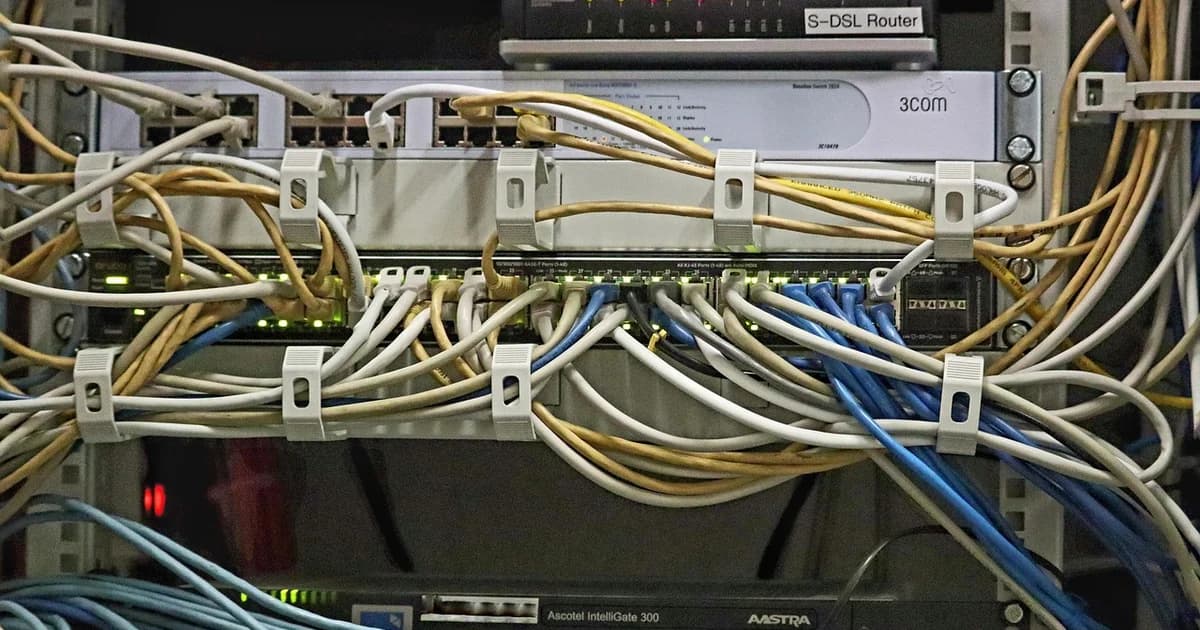
SRT vs RTMP which protocol for your live stream on dcast.tv blog

Share this article

On this page
  • Introduction to SRT and RTMP
  • How SRT and RTMP Work
  • How SRT Operates
  • How RTMP Operates
  • Key Features and Benefits
  • SRT: Security, Reliability, Adaptive Bitrate
  • RTMP: Simplicity, Compatibility with Older Systems
  • Use Cases and Applications
  • When to Use SRT
  • When to Use RTMP
  • Compatibility and Interoperability
  • SRT Compatibility
  • RTMP Compatibility
  • Performance Metrics
  • Latency
  • Bandwidth Usage
  • Security Considerations
  • SRT Security
  • RTMP Security
  • Future of Streaming Protocols
  • Practical Implementation
  • FFmpeg Commands for SRT
  • OBS Settings for SRT
  • Comparison Table
  • FAQ Section
  • What are the main differences between SRT and RTMP?
  • Is SRT more secure than RTMP? In what ways?
  • Can RTMP be used for high-security applications?
  • Which protocol is better for long-distance transmission?
  • How does SRT handle network disruptions compared to RTMP?
  • Are there any specific platforms that support SRT or RTMP better?
  • What is the future outlook for SRT and RTMP?
  • Conclusion
  • Next Steps and Resources
  • Related reading

Introduction to SRT and RTMP

Live streaming has become an integral part of modern media and entertainment, requiring reliable and secure protocols to transmit high-quality content. Two prominent protocols in this domain are Secure Reliable Transport (SRT) and Real-Time Messaging Protocol (RTMP). Both have their unique strengths and use cases, making them suitable for different environments and requirements.

SRT was developed by Haivision in 2017 to address the shortcomings of existing protocols like RTMP in terms of security and reliability. It was designed with the aim of providing robust transmission over unstable networks, ensuring high-quality live streaming even in challenging conditions. RTMP, on the other hand, has been a long-standing standard for live streaming since Adobe Systems introduced it in 2001. It is widely used due to its simplicity and ease of implementation, although it lacks some of the advanced features found in SRT.

How SRT and RTMP Work

How SRT Operates

SRT is a peer-to-peer protocol that uses a combination of techniques to ensure secure and reliable transmission. It employs a handshake mechanism to establish a connection between the sender and receiver, ensuring that both endpoints are ready to exchange data. This handshake includes a mutual authentication process, which enhances security by verifying the identity of the communicating parties.

Once the connection is established, SRT uses adaptive bitrate control to adjust the video quality based on network conditions. This feature is crucial in environments where network bandwidth is unpredictable, as it ensures that the stream remains stable and uninterrupted. SRT also includes a retransmission window, which allows the receiver to request lost packets, improving the overall reliability of the stream.

How RTMP Operates

RTMP is a client-server protocol that operates over TCP. It uses a continuous flow of data packets to transmit live streams, which are typically segmented into small chunks. RTMP relies on TCP's inherent reliability mechanisms, such as acknowledgments and retransmissions, to ensure that data is delivered correctly. However, this reliance on TCP can introduce additional latency, which can be a drawback in real-time applications.

RTMP uses a simple handshake process to establish a connection, followed by a continuous stream of data packets. The protocol does not include advanced features like adaptive bitrate control or security mechanisms. Instead, it focuses on simplicity and ease of implementation, making it a popular choice for basic live streaming applications.

Key Features and Benefits

SRT: Security, Reliability, Adaptive Bitrate

SRT offers several key features that make it a preferred choice for live streaming:

  • Security: SRT includes mutual authentication and encryption to protect the transmitted data. The protocol supports both symmetric and asymmetric encryption, allowing users to choose the level of security that suits their needs.
  • Reliability: SRT's retransmission window and adaptive bitrate control mechanisms ensure that the stream remains stable and uninterrupted, even in challenging network conditions.
  • Adaptive Bitrate: SRT dynamically adjusts the video quality based on the available bandwidth, ensuring that the stream is optimized for the current network conditions.

RTMP: Simplicity, Compatibility with Older Systems

RTMP, while lacking in advanced features, still has its advantages:

  • Simplicity: RTMP is easy to implement and integrate into existing systems, making it a popular choice for basic live streaming applications.
  • Compatibility: RTMP is widely supported by a range of devices and platforms, including older systems that may not support newer protocols like SRT.

Use Cases and Applications

When to Use SRT

SRT is particularly well-suited for environments where security and reliability are critical:

  • High-Security Environments: SRT's robust security features make it an ideal choice for live streaming in high-security environments, such as government agencies or financial institutions.
  • Long-Distance Transmission: SRT's adaptive bitrate control and retransmission window help ensure stable transmission over long distances, making it suitable for global live streaming events.

When to Use RTMP

RTMP is often the preferred choice in simpler or legacy systems:

  • Legacy Systems: RTMP's compatibility with older systems and devices makes it a suitable choice for organizations that are still using legacy infrastructure.
  • Basic Live Streaming: RTMP's simplicity and ease of implementation make it a good choice for basic live streaming applications where advanced features are not required.

Compatibility and Interoperability

SRT Compatibility

SRT is supported by a growing number of devices and platforms, including:

  • Streaming Servers: SRT is supported by popular streaming servers like Wowza Streaming Engine and Haivision Media Gateway.
  • CDNs: Many CDNs, such as Akamai and Amazon CloudFront, have integrated support for SRT.

RTMP Compatibility

RTMP is widely supported by a broad range of devices and platforms:

  • Streaming Servers: RTMP is supported by most streaming servers, including Wowza Streaming Engine, Adobe Media Server, and Nginx.
  • CDNs: Many CDNs support RTMP, making it easy to integrate RTMP streams into global delivery networks.

Performance Metrics

Latency

Latency is a critical factor in live streaming, as high latency can negatively impact the user experience. RTMP typically has higher latency due to its reliance on TCP, which introduces additional delays. SRT, on the other hand, uses a more efficient protocol stack that minimizes latency, making it a better choice for real-time applications.

Bandwidth Usage

SRT's adaptive bitrate control mechanism allows it to adjust the video quality based on available bandwidth, optimizing the stream for the current network conditions. RTMP, lacking this feature, may use a fixed bitrate, leading to potential inefficiencies in bandwidth usage.

Security Considerations

SRT Security

SRT includes several security features that enhance the protection of transmitted data:

  • Encryption: SRT supports both symmetric and asymmetric encryption, allowing users to choose the level of security that suits their needs.
  • Authentication: SRT includes a mutual authentication process to verify the identity of communicating parties, ensuring that only authorized devices can access the stream.

RTMP Security

RTMP does not include advanced security features, relying instead on basic TCP security mechanisms. This can make it more vulnerable to attacks in environments where security is a priority.

Future of Streaming Protocols

The future of streaming protocols is likely to see continued development and refinement of existing protocols like SRT and RTMP, as well as the emergence of new protocols that address current limitations. For example, WebRTC is gaining traction in real-time applications due to its robust security and low-latency capabilities. SRT is also expected to continue evolving, with enhancements in areas like adaptive bitrate control and encryption.

Practical Implementation

FFmpeg Commands for SRT

To stream using SRT with FFmpeg, you can use the following command:

```bash

ffmpeg -i input.mp4 -c:v libx264 -f srt srt://your-server-address:port

```

This command starts an SRT stream from an input file (input.mp4) to a specified server address and port.

OBS Settings for SRT

In OBS (Open Broadcaster Software), you can configure SRT streaming by adding a new Stream and selecting the SRT service. Set the server address and port, and configure any additional settings as needed.

Comparison Table

FeatureSRTRTMPWebRTC
SecurityHigh (mutual authentication, encryption)Low (basic TCP security)High (end-to-end encryption, SRTP)
ReliabilityHigh (adaptive bitrate control, retransmission)Medium (TCP reliability)High (retransmission, congestion control)
LatencyLow (efficient protocol stack)High (TCP overhead)Low (real-time transport)
Adaptive BitrateYesNoNo
CompatibilityGrowing, supported by many servers and CDNsWidely supported, legacy systemsSupported by modern web browsers and devices
Use CasesHigh-security environments, long-distance transmissionBasic live streaming, legacy systemsReal-time applications, peer-to-peer communication

FAQ Section

What are the main differences between SRT and RTMP?

SRT and RTMP have several key differences:

  • Security: SRT includes robust security features like mutual authentication and encryption, while RTMP relies on basic TCP security.
  • Reliability: SRT uses adaptive bitrate control and retransmission mechanisms to ensure reliable transmission, whereas RTMP relies on TCP's reliability mechanisms.
  • Latency: SRT has lower latency due to its efficient protocol stack, while RTMP's reliance on TCP introduces higher latency.

Is SRT more secure than RTMP? In what ways?

Yes, SRT is more secure than RTMP in several ways:

  • Mutual Authentication: SRT includes a mutual authentication process to verify the identity of communicating parties.
  • Encryption: SRT supports both symmetric and asymmetric encryption, providing robust protection against unauthorized access.

Can RTMP be used for high-security applications?

RTMP is not recommended for high-security applications due to its lack of advanced security features. While it provides basic security through TCP, it does not include mechanisms like mutual authentication or robust encryption.

Which protocol is better for long-distance transmission?

SRT is better suited for long-distance transmission due to its adaptive bitrate control and retransmission mechanisms, which ensure stable transmission over unstable networks.

How does SRT handle network disruptions compared to RTMP?

SRT uses a retransmission window and adaptive bitrate control to handle network disruptions, ensuring that the stream remains stable even in challenging conditions. RTMP relies on TCP's reliability mechanisms, which may not be as effective in handling disruptions.

Are there any specific platforms that support SRT or RTMP better?

SRT is supported by a growing number of platforms and devices, including streaming servers like Wowza and CDNs like Akamai. RTMP is widely supported by most streaming servers and CDNs, making it a versatile choice for legacy systems.

What is the future outlook for SRT and RTMP?

The future outlook for SRT includes continued development of advanced features like improved adaptive bitrate control and enhanced security. RTMP is likely to remain in use for basic live streaming applications, but may face competition from newer protocols like WebRTC.

Conclusion

Choosing between SRT and RTMP depends on the specific requirements of your live streaming setup. Platforms like dcast.tv support both SRT and RTMP ingest, so you can test and compare in your own workflow. Evaluate latency and reliability under your network conditions before committing. SRT is the better choice for environments where security and reliability are critical, while RTMP remains a popular option for basic live streaming applications and legacy systems. Understanding the technical nuances of each protocol will help you make an informed decision and optimize your streaming setup for the best performance.

For more on SRT vs RTMP and live streaming, visit dcast.tv. Compare both protocols for your use case and test under real conditions.

Next Steps and Resources

When choosing a streaming protocol, consider latency, compatibility, and your infrastructure. SRT excels over unreliable networks; RTMP remains common for ingest. Test your setup and monitor quality metrics.

Related reading

  • Streaming latency tiers: HLS vs LL-HLS vs WebRTC
  • Transcoding pipeline architecture for video platforms
  • Want to test both protocols end to end? Explore DCAST features or compare plans.

Frequently Asked Questions

What are the main differences between SRT and RTMP

SRT and RTMP have several key differences: - **Security**: SRT includes robust security features like mutual authentication and encryption, while RTMP relies on basic TCP security. - **Reliability**: SRT uses adaptive bitrate control and retransmission mechanisms to ensure reliable transmission, whereas RTMP relies on TCP's reliability mechanisms. - **Latency**: SRT has lower latency due to its efficient protocol stack, while RTMP's reliance on TCP introduces higher latency.

Is SRT more secure than RTMP? In what ways

Yes, SRT is more secure than RTMP in several ways: - **Mutual Authentication**: SRT includes a mutual authentication process to verify the identity of communicating parties. - **Encryption**: SRT supports both symmetric and asymmetric encryption, providing robust protection against unauthorized access.

Can RTMP be used for high-security applications

RTMP is not recommended for high-security applications due to its lack of advanced security features. While it provides basic security through TCP, it does not include mechanisms like mutual authentication or robust encryption.

Which protocol is better for long-distance transmission

SRT is better suited for long-distance transmission due to its adaptive bitrate control and retransmission mechanisms, which ensure stable transmission over unstable networks.

How does SRT handle network disruptions compared to RTMP

SRT uses a retransmission window and adaptive bitrate control to handle network disruptions, ensuring that the stream remains stable even in challenging conditions. RTMP relies on TCP's reliability mechanisms, which may not be as effective in handling disruptions.

streaminglive streamingWebRTCvideortmpwhichprotocolyour
d

dcast-team

Professional video streaming experts helping creators succeed.

Related Articles

Optimizing video for mobile and 5G networks — ABR ladders and encoding tips.
Technology

Optimizing Video for Mobile Networks: 5G and Beyond

Optimize video delivery for mobile and 5G networks. ABR and encoding tips for streaming on dcast.tv

April 26, 20259 min read
4K vs 8K Streaming: Bandwidth, Codecs, and Reality - dcast blog
Technology

4K vs 8K Streaming: Bandwidth, Codecs, and Reality

4K vs 8K streaming: bandwidth, codecs, and real-world requirements. Compare resolutions and encoding for live and VOD on dcast.tv

July 21, 20239 min read
SRT protocol for broadcasters — secure, reliable, low-latency video transport.
Technology

SRT Protocol: Secure Reliable Transport for Broadcasters

SRT protocol explained for broadcasters with practical focus on resilience, latency, and secure transport.

July 11, 20259 min read

Start Your Video Business Today

Join thousands of creators monetizing their content with DCAST.

Get Started Free