
Built for Live Events That Cannot Fail: Backup Feeds and Language Tracks
Two DCAST features exist for one kind of broadcast: the event that happens once, in front of people who paid to be there. Here is why we built backup feeds and language tracks, which one your event needs, and the limits we are still working on.
On this page
Most live streams can survive a hiccup. A gaming stream that drops for two minutes comes back, the chat jokes about it, and the evening goes on. The events we care most about are different: a conference keynote, a paid masterclass, a church service watched by families abroad, a product launch timed to the minute. They happen once, in front of people who planned their day around them.
For that kind of broadcast we built two features into DCAST: a backup feed for the stream itself and language tracks for the people watching it. This article explains why, which one your event needs, and what they do not do yet.
The event that happens once
A recorded video can be re-uploaded. A live event cannot be re-lived. When it breaks, three things are lost at once:
- the moment — the speaker, the goal, the announcement will not happen again;
- the audience — viewers who see an error screen close the tab, and many do not come back;
- the money — if people paid, the refund requests arrive before the event is over.
And a live event can be excellent and still lose most of its possible audience, simply because it speaks one language to people who speak several.
Feature one: a second feed for the same stream
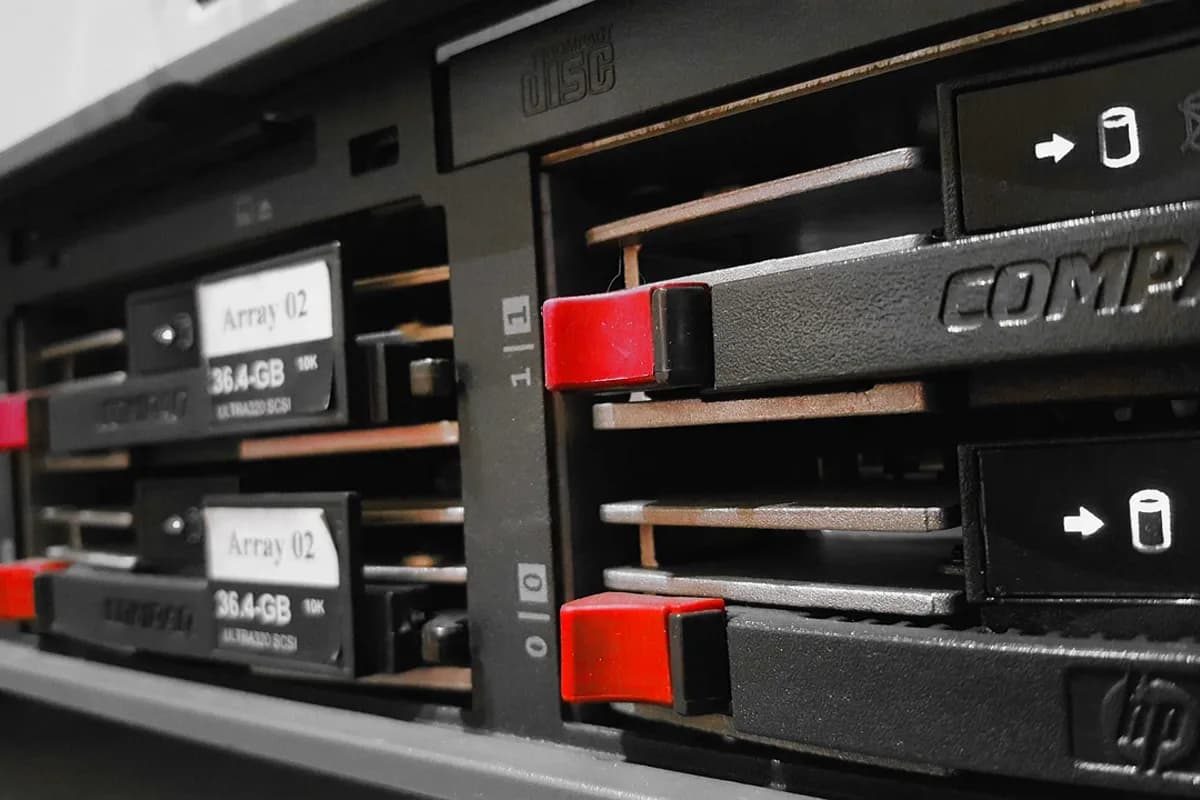
On the PRO and VIP plans, every RTMP stream accepts a backup feed: the Connection tab shows a Backup URL next to the primary server address. A second encoder — ideally a second computer on a second internet line — sends the same show there, with the same stream key.
DCAST watches the primary feed. When it stops, the program switches to the backup; viewers stay in the same player, on the same link, with the same chat. When the primary returns and stays stable, DCAST switches back on its own. There is nothing to switch on: connect the backup before you press Start, and the broadcast begins on the protected path.
Two decisions shaped how we built it:
We do not re-encode your picture to switch. The switch cuts from one feed to the other on a keyframe, so what viewers see is exactly what your encoder produced, and the switch itself costs very little.
We keep the broadcast open when everything fails. If both feeds are lost, the player shows black with silence and waits, rather than ending the event. The moment either feed comes back, so does the picture.
What a switch costs: it is not invisible. At the moment of switching, viewers see a hitch of a fraction of a second; the sound is faded at the join so it does not click. A backup that connects while the broadcast is already on air also works, but DCAST then moves the running broadcast onto it once, with one brief hitch — which is why we recommend connecting it before Start.
Feature two: every language in one player
On the PRO and VIP plans, the Languages tab of any RTMP or SRT stream lets you Add language. Each language gets its own connection details and a name viewers see. Your main encoder keeps sending the picture and the original sound; each interpreter sends only their voice, from wherever they are. Up to 16 extra languages per stream.
Viewers see a language button on the player bar as soon as there are two or more soundtracks. Original — the event's own sound — plays first; everything else is one click away.
We made two choices here too:
People, not machines. DCAST does not generate translations. Interpreters who know the subject and the audience are still the standard when words matter, and the feature is built around them: each one connects directly, before, with or after the main stream.
Audio only. A language feed carries sound; any picture in it is ignored. Interpreters need a microphone and an encoder app, not a production setup.
The replay keeps the languages too. A multilingual broadcast should still run as one continuous session: if you stop it and start it again on the same stream, the replay offers the extra languages only for the part after the last Start.
Which one does your event need?
The two features solve different problems, so start from the risk you are actually facing:
| Your biggest risk | The feature that addresses it | What you need on the day |
|---|---|---|
| The venue internet, the encoder machine or the power is unreliable | Backup feed | A second encoder, ideally on a second internet line, sending to the Backup URL with the same key |
| A large part of your audience does not speak the event's language | Language tracks | One interpreter per language, each sending audio to their language's key |
Both keep one stream, one link to promote, one paywall and one chat. If you plan to use both on the same event, rehearse that exact setup end to end before the day, the same way you would rehearse each one on its own.
What neither feature replaces
A local recording. Record the program on at least one of your encoders. It is your master copy and the best source for an edited replay.
A rehearsal. Connect everything the day before: stop the primary and watch the backup take over; switch through every language in the player. Ten minutes of rehearsal is worth more than any feature list.
Who we built this for
Creators and organisations who sell or host their own events: educators running paid masterclasses, conference organisers, churches and communities with members abroad, sports clubs, and businesses launching products to international customers. If "sorry, we lost the stream" would cost you money or trust, these two features are for you.
Frequently Asked Questions
Do I need both features?
No. They are separate features: the backup protects the stream, language tracks widen the audience. Pick the one that answers your biggest risk.
Is the backup feed the same as a language track?
No. The backup feed carries the same show as the primary — picture and original sound — and uses the same key. Each language track is a separate audio feed with its own key.
Does DCAST translate automatically?
No. Every language track is audio sent by you or your interpreters.
What happens if every feed drops?
The player shows black with silence and waits; the broadcast is not ended. When a feed returns, the picture comes back.
Are the languages kept in the replay?
Yes, in the replay in the DCAST player — for one continuous broadcast. After a Stop and a new Start, the replay offers the extra languages only for the part after the last Start.
DCAST Team
Professional video streaming experts helping creators succeed.
Related Articles


Start Your Video Business Today
Join thousands of creators monetizing their content with DCAST.
Get Started Free