
Webhooks in Video Workflows: Automating Your Pipeline
Webhooks for video automation: how they work, generic payloads, and Node.js examples. Clarifies that the public dcast.tv creator dashboard does not offer a generic webhooks settings flow—use real vendor docs and Partner API materials where applicable.
On this page
Introduction to Webhooks
Webhooks let one system notify another when something happens, by sending an HTTP request to a URL you control. In video workflows they are often used for transcoding completion, stream lifecycle events, or asset availability. The receiving server validates the request (ideally with a signature), responds quickly with a 2xx status, and queues any heavy work.
Where webhook URLs are configured
Configuration is always provider-specific. You register your public HTTPS endpoint in that vendor's dashboard or API (encoding service, live platform, payment provider, etc.): paste the callback URL, choose event types, and store any signing secret they give you. There is no universal flow—follow the documentation for the product you actually integrate with.
DCAST and developer-facing products
The public creator experience at dcast.tv does not include a generic "Webhooks" settings page where you add arbitrary URLs for events such as "transcoding finished" or "stream started" as described in outdated SEO drafts. Do not follow instructions that tell users to log into a dcast.tv dashboard and click "manual dashboard webhook action"—that is not how the consumer product works.
Partner and API integrations (including documentation and tooling aimed at developers or Pro/partner surfaces) may describe callbacks, signed events, or roadmap items in the official Partner API and developer documentation, not in a fictional consumer dashboard flow. Treat any blog copy that promises a specific dcast.tv UI unless it matches current product docs as outdated.Common webhook events in video workflows
Typical event names (exact strings vary by provider) include:
- Transcoding or encoding finished — asset ready for playback or next pipeline step
- Stream started / ended — live lifecycle for analytics or recording
- Recording ready — replay or VOD available
- Upload completed — ingest finished
Understanding webhook payloads
Payloads are usually JSON. Always read your provider's schema; below is a generic example only:
```json
{
"event": "transcoding_finished",
"video_id": "12345",
"status": "success",
"filename": "example_video.mp4",
"timestamp": "2023-10-05T12:00:00Z"
}
```
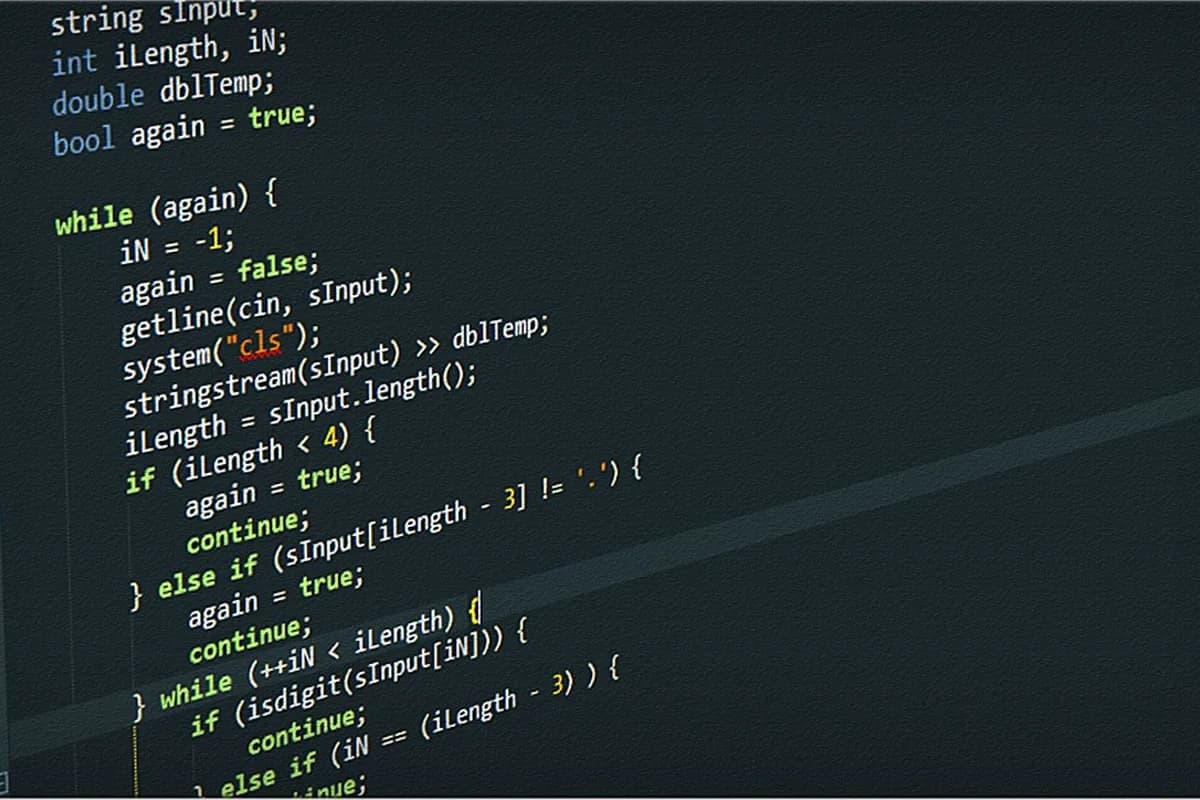
Handling webhooks with Node.js
Setting up a simple listener
```javascript
const express = require('express');
const bodyParser = require('body-parser');
const app = express();
const port = 3000;
app.use(bodyParser.json());
app.post('/webhook', (req, res) => {
const payload = req.body;
console.log('Received webhook event: ' + payload.event);
res.status(200).send('Webhook received');
});
app.listen(port, () => {
console.log('Webhook server listening on port ' + port);
});
```
Example: branch on event type
```javascript
app.post('/webhook', (req, res) => {
const payload = req.body;
if (payload.event === 'transcoding_finished') {
console.log('Transcoding finished for video ' + payload.video_id);
}
res.status(200).send('Webhook received');
});
```
Error handling and retries
Implement idempotency (e.g. store event IDs), return 2xx only after you have safely accepted the event, and process long tasks asynchronously so the sender does not time out.
Best practices
1. Security: HTTPS, verify signatures, reject invalid requests.
2. Idempotency: Handle duplicate deliveries.
3. Fast ACK: Respond quickly; do heavy work in a queue.
4. Monitoring: Log deliveries and failures.
Conclusion
Webhooks are a standard way to automate video pipelines when your actual platform exposes them. Verify behavior against current product documentation—do not rely on placeholder dashboard steps that do not exist on a given product.
Next steps and resources
- Use your encoding or streaming vendor's official docs for event types, payload format, and signature verification.
- For DCAST, rely on published Partner API / developer materials for integration scope; avoid assuming a consumer-dashboard webhook UI on dcast.tv.
Поширені запитання
What are webhooks and how do they work in video workflows?
Webhooks are HTTP callbacks that notify your application about specific events in real-time. In video workflows, webhooks can be used to trigger actions such as transcoding completion notifications, stream start alerts, and recording readiness.
How can I set up webhooks on dcast.tv?
To set up webhooks on dcast.tv, log in to the dashboard, navigate to the 'Webhooks' section, and configure the webhook URL and event triggers. Ensure you have the necessary permissions and API access.
What are the typical events that trigger webhooks in video workflows?
Typical events that trigger webhooks in video workflows include 'transcoding finished,' 'stream started,' 'recording ready,' 'stream ended,' and 'video upload completed.'
How do I handle webhook payloads in my application?
Webhook payloads contain JSON data that describes the event. Parse the payload and extract relevant information to trigger the appropriate actions in your application.
What are some best practices for integrating webhooks into my video pipeline?
Best practices include ensuring reliable delivery with retry logic, securing endpoints with HTTPS and signature verification, and monitoring webhook events for performance and reliability.
How do I troubleshoot webhook-related issues?
To troubleshoot webhook issues, check server logs, validate payloads, and use monitoring tools to track delivery and response times.
dcast-team
Professional video streaming experts helping creators succeed.
Схожі статті


Розпочніть свій відеобізнес сьогодні
Приєднуйтесь до тисяч авторів, які монетизують свій контент за допомогою DCAST.
Почати безкоштовно