

How to Turn Events into Content Goldmines: A Strategic Guide
Turn keynotes and field events into clip libraries, SEO articles, and social series using capture plans, rights, and repurposing workflows.
On this page
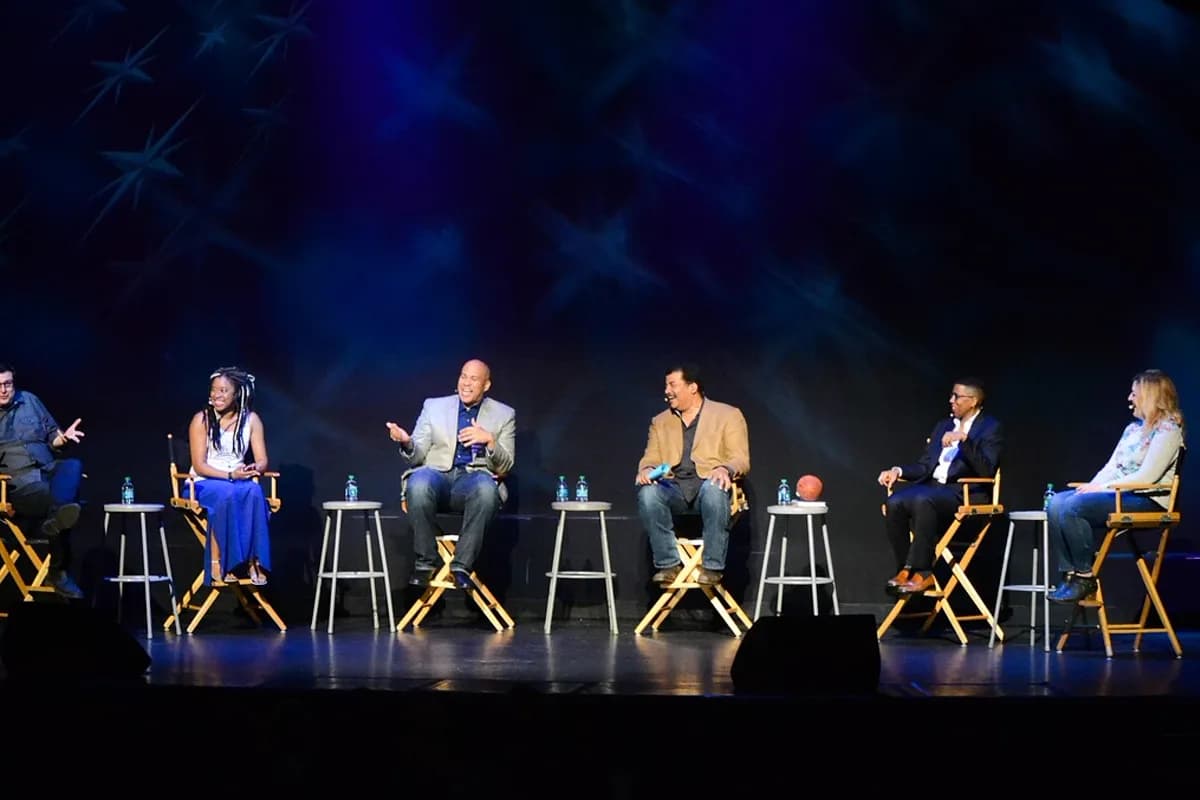
Events are more than just moments to connect with your audience—they’re opportunities to create content that can fuel long-term engagement, drive traffic, and extend your reach. Whether you’re hosting a virtual conference, a local workshop, or a product launch, the raw material generated during these moments can be repurposed into valuable assets. This guide explores how to transform events into content goldmines by leveraging structured capture, collaboration, and strategic repurposing.
The Event Content Goldmine
Events naturally produce a wealth of content types that can be repurposed for different platforms and audiences. From spontaneous interactions to curated behind-the-scenes moments, the key is to identify what resonates with your audience and how to capture it effectively.
Diverse content typesLive events generate a variety of content, including:
- Interviews with speakers or attendees
- Behind-the-scenes clips capturing the energy of the event
- Social media moments like live reactions or trending hashtags
- Recaps of key takeaways or lessons learned
These materials can be repurposed into blog posts, videos, infographics, or social media content. The challenge lies in prioritizing the right moments to capture and ensuring they align with your audience’s needs.
Authenticity over perfectionOne of the most powerful aspects of event content is its spontaneity. Raw, unscripted moments—like a candid conversation between two attendees or a spontaneous team debrief—often resonate more with audiences than polished, staged content. By focusing on authenticity, you create material that feels real and relatable.
For example, a local church streaming weekly services for remote congregants might capture the unfiltered energy of a service, including moments of laughter, prayer, or community interaction. These clips can later be repurposed into short-form social media content or shared as part of a weekly newsletter.
Strategies for Capturing Value
To maximize the value of your event content, it’s essential to plan ahead and structure your capture efforts. Here are four proven strategies to turn events into content pipelines:
1. Behind-the-Scenes Clips
Behind-the-scenes content offers a glimpse into the human side of your event. Whether it’s a team debrief, a hotel lobby conversation, or a spontaneous Q&A, these moments humanize your brand and build trust.
Example use case: A tech startup hosting a product launch might capture a candid moment between a speaker and an attendee discussing the product’s impact. This clip can later be repurposed into a short-form social media post or a blog article highlighting customer feedback. Tips for success:- Use portable cameras or smartphones to capture moments without disrupting the flow.
- Focus on moments that highlight collaboration, excitement, or unique insights.
- Share these clips on social media with captions that invite engagement.
2. Quick Interviews with Attendees
Quick interviews are a fast way to gather authentic insights from your audience. These can be used to create social media content, testimonials, or even co-branded videos.
Example use case: An online course creator might interview a student during a live session to discuss how the course helped them achieve a goal. This interview can be edited into a 60-second TikTok video or shared as a YouTube Shorts snippet. Tips for success:- Keep interviews short and focused (30 seconds to 2 minutes).
- Ask open-ended questions to encourage candid responses.
- Share the content with the interviewee for approval before posting.
3. Collaborative Content Creation
Collaborative content, such as co-branded videos or joint interviews, can expand your reach and add credibility to your messaging. By partnering with creators, brands, or influencers, you can tap into their audiences while maintaining your brand’s voice.
Example use case: A fitness brand might collaborate with a wellness influencer to create a video series that combines their expertise. This content can be shared across both platforms, driving traffic and engagement. Tips for success:- Identify partners whose audiences align with your goals.
- Clarify roles and responsibilities to avoid confusion.
- Use tools like dcast.tv to streamline collaboration and content distribution.
4. Evergreen Assets for Long-Term Use
Evergreen content—such as blog recaps, YouTube videos, or downloadable guides—can be repurposed repeatedly to maintain audience engagement. These assets are ideal for driving traffic to your website or email list.
Example use case: A marketing agency might create a blog post summarizing key takeaways from a webinar, complete with actionable tips. This content can be shared on social media, linked in email newsletters, and repurposed into a downloadable PDF for lead magnets. Tips for success:- Focus on high-value topics that address common audience pain points.
- Use tools like dcast.tv to archive and organize content for easy repurposing.
- Update older content periodically to keep it relevant.
The INBOUND Event Success Case Study
A real-world example of turning events into content goldmines is the INBOUND conference, a leading event in the marketing industry. By implementing structured capture strategies, the event team generated over 40 assets in just a few days, including social media clips, blog posts, and video recaps.
Key outcomes:- 1 million+ impressions from repurposed content on social media
- 100,000+ link clicks to blog posts and resources
- Extended engagement with attendees through follow-up content
The success of INBOUND highlights the power of proactive content capture. By prioritizing authenticity, planning ahead, and leveraging collaboration, event organizers can create a pipeline of content that drives long-term value.
The New Gold Standard: Preparation and Storytelling
The shift from event-only engagement to content-driven strategies marks a new gold standard for marketers and organizers. The key to success lies in preparation and a focus on storytelling.
Preparation as the foundationEffective content capture starts with planning. This includes:
- Identifying content goals (e.g., social media engagement, lead generation)
- Selecting the right tools (e.g., live streaming platforms, collaboration software)
- Assigning roles to ensure smooth execution
For instance, a small business hosting a virtual workshop might use dcast.tv to stream the event and archive recordings for later use. This allows the team to focus on capturing moments without worrying about technical hurdles.
Storytelling for impactContent is most powerful when it tells a story. Whether it’s a customer’s journey, a team’s collaboration, or a speaker’s insights, storytelling creates emotional connections that drive engagement.
Example: A nonprofit organization might share a video of a volunteer’s experience during an event, highlighting the impact of their work. This story can be shared across multiple platforms, encouraging donations and community involvement. Balancing structure and authenticityWhile planning is essential, it’s important to avoid over-scripting. The best event content often comes from spontaneous moments that feel genuine. By striking a balance between structure and authenticity, you can create content that resonates with your audience.
Content Repurposing Framework
A systematic approach to maximizing event content value.
Immediate Repurposing (Within 24 Hours)
Capture momentum while it's fresh:
- Social media clips: Quick highlights for Instagram, TikTok, Twitter
- Email updates: Send event recap to attendees and subscribers
- Blog teasers: Short blog posts with key takeaways
- Photo galleries: Visual content for social media and websites
Short-Term Repurposing (Within 1 Week)
Dive deeper into event content:
- Full video uploads: Post complete recordings to YouTube or your platform
- Detailed blog posts: Comprehensive recaps with insights
- Newsletter content: In-depth analysis for email subscribers
- Podcast episodes: Convert audio into podcast format
Long-Term Repurposing (1+ Months)
Create evergreen content:
- Educational series: Break down event content into tutorials
- Case studies: Document success stories from the event
- E-books or guides: Compile insights into downloadable resources
- Webinar series: Repurpose content into educational webinars
Technology Tools for Event Content
Leverage technology to streamline content capture and distribution.
Live Streaming Platforms
Choose platforms that support your goals:
- Multi-platform streaming: Stream to multiple platforms simultaneously
- Recording capabilities: Automatically record streams for later use
- Interactive features: Polls, Q&A, and chat for engagement
- Analytics: Track viewer engagement and behavior
Content Management Systems
Organize and manage event content:
- Centralized storage: Store all event content in one place
- Tagging and categorization: Easy content discovery and organization
- Version control: Track different versions of repurposed content
- Collaboration tools: Share content with team members
Editing and Production Tools
Create professional content efficiently:
- Video editing software: Professional editing capabilities
- Graphic design tools: Create thumbnails, graphics, and social media assets
- Audio editing: Enhance audio quality and add music
- Automation tools: Automate repetitive editing tasks
Measuring Event Content Success
Track metrics to understand what works and optimize future events.
Engagement Metrics
Measure how audiences interact with content:
- View counts: Total views across all platforms
- Watch time: How long viewers engage with content
- Social shares: How often content is shared
- Comments and reactions: Depth of audience engagement
Business Impact Metrics
Connect content to business outcomes:
- Lead generation: Track inquiries or sign-ups from content
- Sales conversions: Monitor if content drives purchases
- Brand awareness: Measure increases in brand recognition
- Customer retention: Assess impact on existing relationships
Content Performance Analysis
Identify top-performing content:
- Most viewed: Which content resonates most
- Highest engagement: Content that drives interaction
- Conversion leaders: Content that drives business results
- Trending topics: What topics generate most interest
Common Mistakes to Avoid
Learn from common pitfalls in event content strategy.
Planning Mistakes
Avoid these planning errors:
- No content strategy: Failing to plan content capture before events
- Over-committing: Trying to capture everything instead of focusing
- Poor tool selection: Choosing tools that don't fit your needs
- Lack of team coordination: Not assigning clear roles and responsibilities
Execution Mistakes
Fix these execution issues:
- Missing key moments: Not capturing important moments
- Poor audio/video quality: Technical issues that reduce content value
- Over-editing: Removing authenticity through excessive editing
- Delayed publishing: Waiting too long to share content
Repurposing Mistakes
Improve your repurposing approach:
- One-time use: Only using content once instead of repurposing
- Platform mismatch: Using wrong formats for different platforms
- Missing context: Not providing enough background information
- Ignoring analytics: Not tracking what content performs best
Final Thoughts: Repurposing Events for Lasting Impact
Events are no longer just moments for connection—they're opportunities to create content that extends your reach and drives long-term value. By focusing on structured capture, collaboration, and storytelling, you can turn your events into a content pipeline that fuels your marketing efforts.
The INBOUND case study demonstrates the incredible potential of event content repurposing. With proper planning and execution, a single event can generate months of content that drives engagement, builds brand awareness, and generates leads. The key is approaching each event with a content-first mindset.
Whether you're a local church streaming services for remote congregants, an online course creator sharing event recordings, or a tech startup sharing takeaways via short-form videos, the principles outlined here apply. The key is to approach each event with a clear strategy, prioritize authenticity, and leverage tools like dcast.tv to streamline the process.
Platforms like dcast.tv offer comprehensive solutions for event content management, providing live streaming, recording, and content organization tools that make it easier to capture and repurpose event content. With the right tools and strategy, every event becomes a content goldmine.
In a world where attention spans are short and competition is fierce, the ability to repurpose event content can make all the difference. By turning events into content goldmines, you're not just capturing moments—you're building a lasting legacy of value that continues to serve your audience long after the event ends.
Related reading
Perguntas frequentes
How much content can I realistically create from one event
A well-planned event can generate 20-50+ pieces of content depending on event length and type. A one-day conference might produce 30-40 assets including social media clips, blog posts, videos, and downloadable resources. The key is planning capture strategies before the event.
What's the best way to capture content during live events
Use a combination of approaches: dedicated videographers for main content, team members capturing behind-the-scenes moments, audience-submitted content, and automated recording of live streams. Assign specific roles to ensure nothing is missed.
How do I balance capturing content with running the event
Plan ahead and delegate. Assign specific team members to content capture, use automated recording for main sessions, and focus on key moments rather than trying to capture everything. Consider hiring professional videographers for important events.
Can I repurpose content from virtual events the same way
Yes, virtual events often provide even more repurposing opportunities. Screen recordings, chat transcripts, and interactive elements can all be repurposed. Virtual events also make it easier to capture multiple angles and perspectives.
How long should I continue repurposing event content
Continue repurposing as long as content remains relevant. Evergreen content can be repurposed for months or years. Update older content with new information or perspectives to keep it fresh. Some content may have seasonal relevance and can be repurposed annually. ## Final Thoughts: Repurposing Events for Lasting Impact Events are no longer just moments for connection—they're opportunities to create content that extends your reach and drives long-term value. By focusing on structured capture, c
dcast-team
Professional video streaming experts helping creators succeed.
Artigos relacionados


Comece hoje o seu negócio de vídeo
Junte-se a milhares de criadores que monetizam seu conteúdo com a DCAST.
Comece grátis