

A Guide to Choosing the Best DSLR Cameras for Video Production
Learn how to choose the best DSLR camera for video production. Compare
On this page
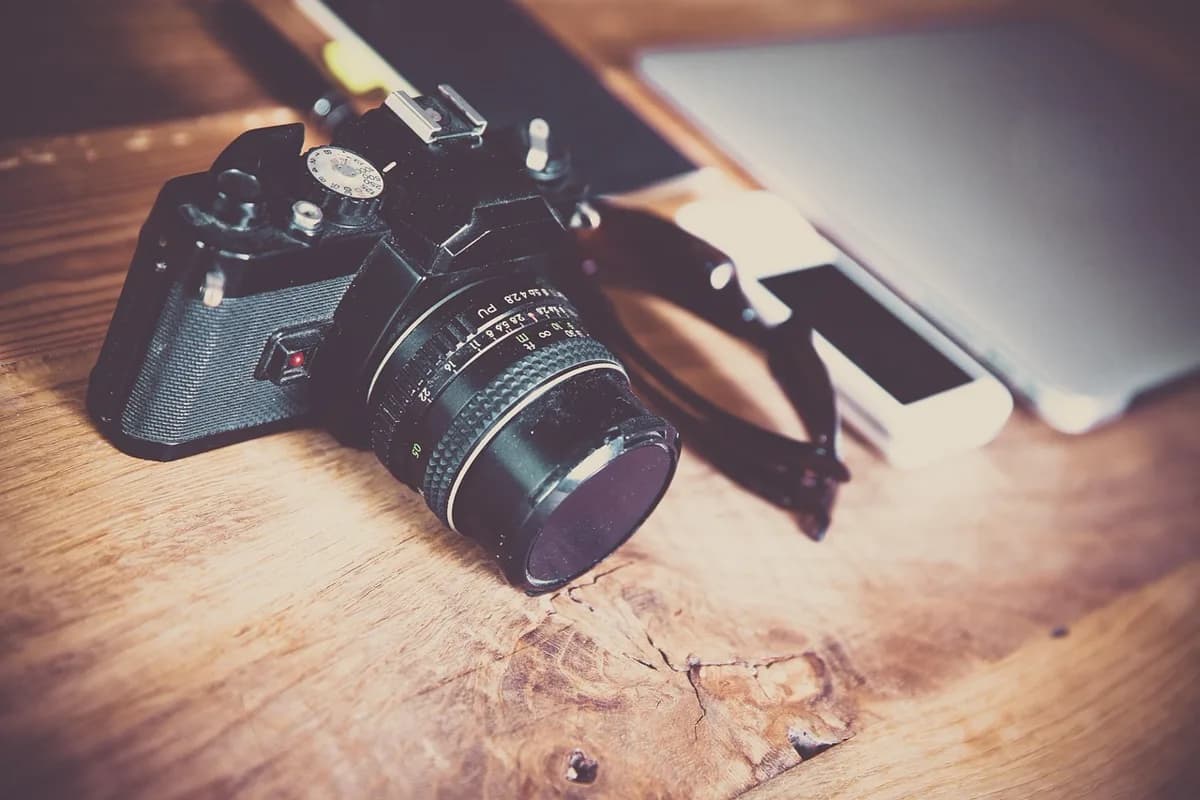
When selecting a DSLR camera for video production, you're balancing quality, versatility, and budget. Whether you're a YouTuber shooting vlogs, a small business capturing events, or a documentary filmmaker working in low light, the right camera can make a significant difference. This guide breaks down the key considerations, highlights popular models, and explains why DSLRs remain a strong choice for creators who need both stills and motion capture.
Understanding DSLR Mechanics: Sensors, Mirrors, and Performance
Before diving into specific models, it's helpful to understand how DSLRs work to make informed decisions. At their core, DSLRs use a mirror system to reflect light from the lens to an optical viewfinder, allowing you to see exactly what the lens captures. When you press the shutter, the mirror flips up, and the light hits the image sensor, which records the image digitally.
The sensor size is one of the most critical factors in video quality. Larger sensors, like full-frame, generally perform better in low-light conditions and capture a wider field of view. They also tend to produce more dynamic range and color depth, which is ideal for professional-grade video. However, full-frame cameras are often more expensive than APS-C sensors, which are smaller and typically found in budget-friendly models.
While newer mirrorless cameras have gained popularity for their compact design and advanced autofocus systems, DSLRs still hold an edge in certain scenarios. For example, the larger sensor size in full-frame DSLRs can help achieve a cinematic look with shallow depth of field, which is a key aesthetic for filmmakers.
How to Choose the Right DSLR for Your Needs
Selecting the best DSLR camera for video production starts with defining your priorities. Here are key factors to consider:
1. Budget: The First Priority
Your budget will shape your options. Entry-level DSLRs, like the Canon EOS Rebel series or Nikon D3500, are ideal for beginners or those with limited funds. These cameras often include basic video features like 1080p recording and manual controls. Mid-range models, such as the Canon EOS R6 or Nikon D7500, offer advanced settings, improved autofocus, and better low-light performance. High-end full-frame models, like the Canon EOS R5 or Nikon Z6 II, are suited for professionals who need top-tier resolution and dynamic range.
2. Video Capabilities: Resolution and Frame Rates
For video production, prioritize cameras that support 1080p (Full HD) or 4K recording. 4K resolution is becoming the standard for professional content, but it requires more storage space and a stable workflow. Some cameras also offer higher frame rates (e.g., 60fps or 120fps), which are useful for slow-motion effects.
3. Autofocus and Ergonomics
When shooting video, autofocus performance is crucial for keeping subjects in focus, especially when moving or in low light. Look for cameras with advanced autofocus systems that can track subjects smoothly. Ergonomics matter too—comfortable grips, intuitive button layouts, and adjustable settings can improve your workflow during long shoots.
4. Dual Functionality: Stills and Video
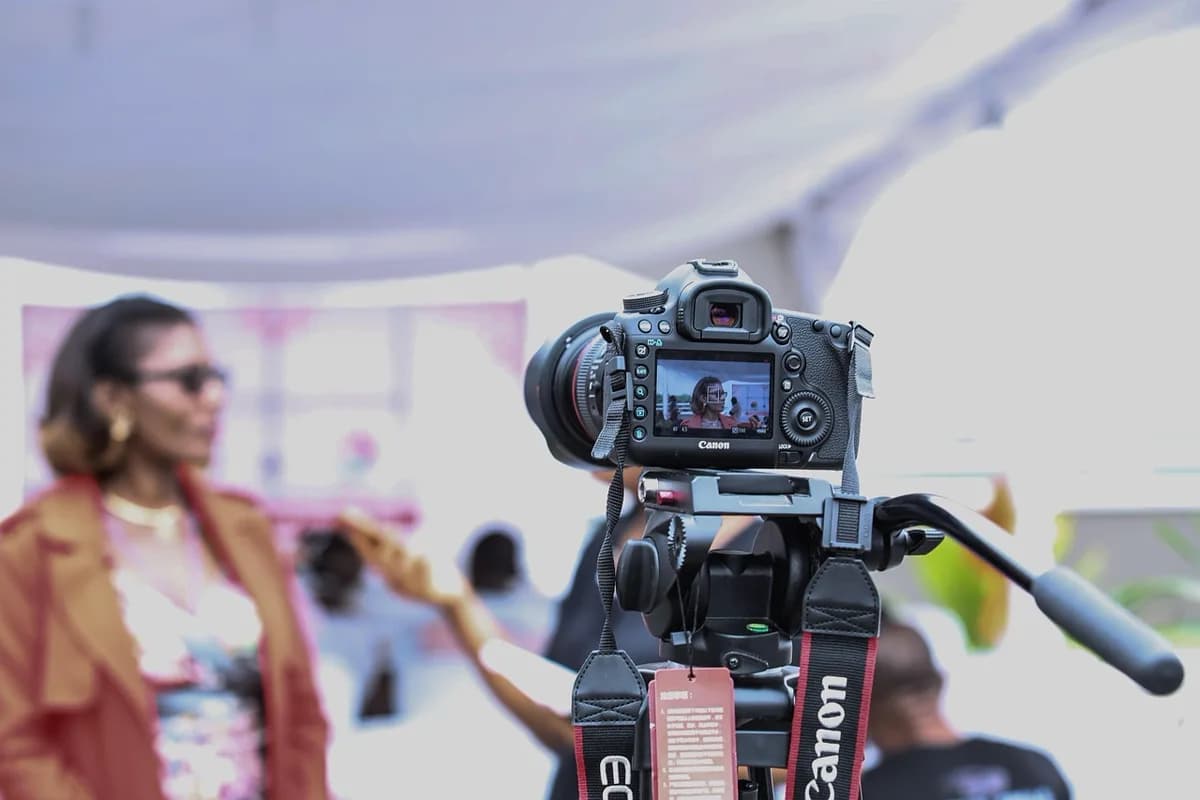
One of the biggest advantages of DSLRs is their ability to capture both stills and video seamlessly. This dual functionality is particularly valuable for creators who need to switch between formats without changing equipment. For example, a YouTuber might use a DSLR to film a vlog and then take product photos for social media.
Why DSLRs Remain a Strong Choice for Video Production
Despite the rise of mirrorless cameras, DSLRs still hold value for specific use cases. Here's why they're a reliable option for video creators:
1. High-Quality HD Recording
DSLRs are known for their ability to capture clean, cinematic video. Most models offer 1080p recording at 60fps or higher, which is suitable for YouTube, social media, and even professional projects. Some high-end models, like the Canon EOS R5, also support 8K video, though this requires a robust workflow and significant storage.
2. Film-Like Aesthetics with Customizable Settings
DSLRs give creators control over video settings like exposure, white balance, and depth of field. This level of customization allows you to mimic the look of film or achieve specific visual styles. For example, adjusting the ISO and shutter speed can help create a grainy, vintage feel, which is popular in indie filmmaking.
3. Dual Functionality for Stills and Video
As mentioned earlier, the ability to shoot stills and video with the same camera is a major advantage. This is especially useful for small businesses that need to capture events, product shots, and promotional videos without switching gear. A wedding photographer, for instance, might use a DSLR to document the ceremony and then switch to video for a highlight reel.
Popular DSLR Models for Video Creators
Here are some of the best DSLR cameras for video production, based on their features and affordability:
1. Canon EOS R6
The Canon EOS R6 is a mid-range full-frame DSLR that excels in video. It supports 4K recording at 60fps, has a fast autofocus system, and includes features like in-body image stabilization. Its compact design and versatility make it a favorite among content creators.
2. Nikon D7500
The Nikon D7500 is a budget-friendly option that offers 4K video recording and excellent low-light performance. It's ideal for videographers who need a balance of quality and affordability. Its autofocus system is particularly strong for tracking moving subjects.
3. Canon EOS R5
For professionals seeking the highest resolution, the Canon EOS R5 is a top choice. It supports 8K video and has advanced autofocus capabilities. However, its high price and data storage requirements make it more suited for dedicated filmmakers.
4. Nikon Z6 II
The Nikon Z6 II is a full-frame mirrorless camera that rivals many DSLRs in performance. It offers 4K recording, a robust autofocus system, and excellent low-light capabilities. While it's not a DSLR, it's worth mentioning as a modern alternative.
Real-World Use Cases for DSLR Video Production
1. YouTubers and Content Creators
A YouTuber might use a Canon EOS R6 to film vlogs and product reviews. The camera's 4K resolution and dual functionality allow them to switch between stills and video without additional gear. For example, a tech reviewer could take product photos for social media and then film a video review using the same camera.
2. Small Businesses and Events
Small businesses often need to capture high-quality video for events, product demos, or marketing materials. The Nikon D7500's low-light performance and 4K capabilities are perfect for streaming live events or recording product videos. Its portability also makes it ideal for on-the-go use.
3. Documentary Filmmakers
Documentary filmmakers benefit from DSLRs' ability to capture cinematic video in challenging environments. The Canon EOS R5's 8K resolution and dynamic range allow for detailed footage, even in low-light settings. This is crucial for capturing candid moments or interviews in natural light.
Integrating DSLR Footage into Your Workflow
Once you've captured video with a DSLR, the next step is to integrate it into your workflow. Many creators use platforms like dcast.tv to host and manage their video content. This platform supports live streaming and video-on-demand (VOD) storage, making it easy to repurpose DSLR footage for different formats.
For example, a small business might use a DSLR to film a product demo and then upload the video to dcast.tv for live streaming events or on-demand viewing. The platform's hybrid workflows allow creators to combine live and pre-recorded content, ensuring their audience has access to high-quality video in multiple formats.
Conclusion: Making the Right Choice for Your Video Needs
Selecting the best DSLR camera for video production involves balancing budget, features, and workflow requirements. Whether you're a YouTuber, a small business owner, or a documentary filmmaker, the right DSLR can elevate your content with high-quality video and dual functionality.
For creators who need to repurpose their footage, platforms like dcast.tv offer seamless integration for live streaming and on-demand video storage. By understanding your priorities and testing different models, you can find a DSLR that meets your needs and helps you create professional-grade content.
Remember, the goal is to choose a camera that fits your workflow, not just the latest model. With the right tools and a clear plan, your video production can shine.
Next Steps and Resources
Once you have chosen your DSLR and started shooting, focus on mastering the basics: exposure, focus modes, and file management. Many creators benefit from shooting in log or flat profiles to maximize flexibility in post-production. Invest in reliable storage and backup solutions, since 4K and higher resolutions quickly fill memory cards and drives.
Explore free and paid resources to improve your skills. YouTube channels dedicated to cinematography and camera reviews offer practical tips. Software like DaVinci Resolve provides professional-grade color grading and editing at no cost. If you plan to stream or publish regularly, consider how your camera connects to your workflow—HDMI output, clean feed options, and compatibility with capture cards or encoders matter for live use.
Finally, join communities of video creators and filmmakers. Forums, social media groups, and local meetups can provide feedback, collaboration opportunities, and up-to-date advice on gear and techniques. Platforms like dcast.tv support both live streaming and on-demand hosting, so you can grow from single videos to a full channel or membership site as your skills and audience expand. Start with one camera and one lens; learn their limits and strengths before adding more gear. Consistent practice and feedback from your audience will help you improve faster than chasing every new release. When comparing models in a store or online, check sample footage in your preferred resolution and frame rate. Battery life and overheating limits vary; read real-world tests if you plan long recordings or live streams. A good tripod or gimbal will improve your results more than a slightly newer sensor in many situations. Choose a camera that fits your budget and workflow, then create consistently. Share your work and iterate based on feedback.
Perguntas frequentes
Are DSLRs better than mirrorless cameras for video?
DSLRs and mirrorless cameras each have strengths. DSLRs often offer better low-light performance and a larger sensor size, which is ideal for cinematic video. Mirrorless cameras, however, are more compact and have advanced autofocus systems. The choice depends on your specific needs and budget.
Can I use a DSLR for 4K video?
Yes, many mid-range and high-end DSLRs support 4K recording. Models like the Canon EOS R6 and Nikon D7500 offer 4K at 60fps, which is suitable for most video production needs.
What are the best DSLR settings for a film-like look?
To achieve a film-like aesthetic, use a shallow depth of field by adjusting the aperture (e.g., f/1.8). Set a low ISO to reduce noise and enable the camera's dynamic range. Shooting in RAW format also gives you more flexibility during post-production.
dcast-team
Professional video streaming experts helping creators succeed.
Artigos relacionados
Comece hoje o seu negócio de vídeo
Junte-se a milhares de criadores que monetizam seu conteúdo com a DCAST.
Comece grátis