

DCASTDCASTBlog
Tous les articlesVideo StreamingMonetizationTechnologyTutorialsCreator Tips

Restez à jour avec les conseils pour les créateurs

Recevez les dernières nouvelles sur le streaming, les stratégies de monétisation et les mises à jour de la plateforme directement dans votre boîte de réception.

No spam, unsubscribe anytime.

DCASTDCAST

Professional video monetization platform for creators and businesses.

Categories

  • Video Streaming
  • Monetization
  • Technology
  • Tutorials
  • Creator Tips

Product

  • Features
  • Pricing
  • Documentation
  • Blog

Company

  • About
  • Contact
  • Terms
  • Privacy

© 2026 DCAST. All rights reserved.

Made for creators worldwide

BlogTechnologyMicroservices Architecture for Video Platforms
Retour au blog
Technology

Microservices Architecture for Video Platforms

Split ingest, transcoding, packaging, and API into services: boundaries, queues, Kubernetes, and failure modes for video platforms.

dcast-team
19 mars 2025
8 min de lecture
Partager :
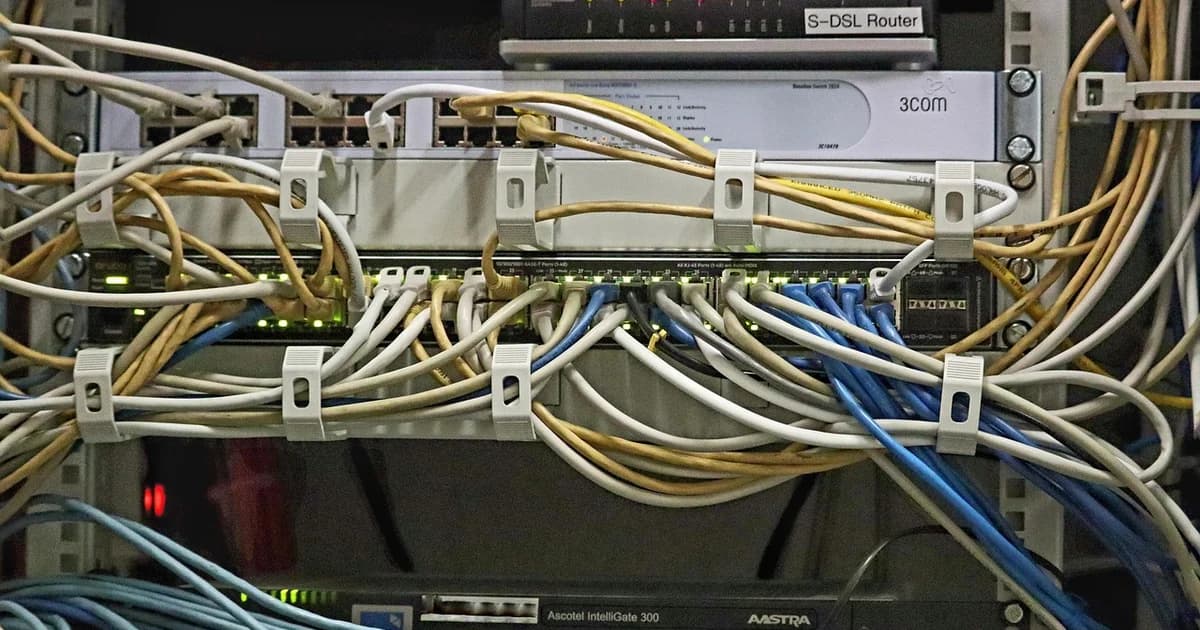
Microservices architecture for video platforms — ingest, transcode and delivery services.

Partager cet article

On this page
  • Introduction to Microservices Architecture
  • Video Platform Architecture Overview
  • Components of a Video Platform
  • Importance of Modular Design
  • Designing the Ingest Layer
  • Ingest Protocols
  • RTMP (Real-Time Messaging Protocol)
  • SRT (Secure Reliable Transport)
  • HLS (HTTP Live Streaming)
  • Security Considerations
  • Example: Ingesting Video with SRT
  • Transcoding and Packaging Services
  • Workflow and Processes
  • Choosing the Right Codecs and Formats
  • API Layer
  • RESTful APIs vs. GraphQL
  • API Gateway Patterns
  • Deployment and Process Management
  • Service Architecture
  • Orchestration
  • Deployment Strategies
  • Scaling and Load Balancing
  • Monitoring and Logging
  • Scalability and Performance
  • Load Testing and Optimization
  • Challenges and Solutions
  • Case Study: Implementing Microservices at dcast.tv
  • Overview of dcast.tv's Architecture
  • Comparison of Ingest Protocols
  • FAQ Section
  • What are the main benefits of using microservices for video platforms?
  • How does Kubernetes help in managing microservices?
  • Can you explain the difference between RESTful APIs and GraphQL in the context of video platforms?
  • What are some best practices for securing the ingest layer in a video platform?
  • How do you handle state management in microservices architecture?
  • What are the key considerations when choosing between horizontal and vertical scaling?
  • How does dcast.tv leverage microservices for its video streaming platform?
  • Conclusion
  • Related reading

Introduction to Microservices Architecture

Microservices architecture is a design approach where large, complex applications are decomposed into small, independent services that communicate with each other over well-defined APIs. Each microservice is responsible for a specific business capability and runs in its own process. This architecture offers several benefits over traditional monolithic architectures:

  • Scalability: Individual services can be scaled independently based on demand.
  • Maintainability: Smaller codebases are easier to understand, test, and maintain.
  • Deployment Flexibility: Changes and upgrades can be deployed without affecting the entire application.
  • Fault Isolation: Issues in one service do not cascade to other services.

In contrast, monolithic architectures bundle all application components into a single, tightly coupled unit. While this can simplify development and deployment early on, it becomes increasingly cumbersome as the application grows. Microservices address these limitations by enabling more modular and flexible design.

Video Platform Architecture Overview

A typical video platform consists of several key components: ingest, transcoding, packaging, and API layers. Each component performs a specific task, contributing to the overall functionality of the platform.

Components of a Video Platform

1. Ingest Layer: Receives and processes incoming video streams.

2. Transcoding Layer: Converts video streams into different formats and qualities.

3. Packaging Layer: Prepares content for delivery over the internet.

4. API Layer: Exposes endpoints for managing and retrieving video content.

Importance of Modular Design

Modular design allows each layer to be developed, deployed, and scaled independently. This not only simplifies maintenance but also accelerates development cycles. For example, if the ingest layer needs to support a new protocol, developers can focus on that layer without affecting others.

Designing the Ingest Layer

The ingest layer is critical for handling incoming video streams. It supports various protocols such as RTMP, SRT, and HLS, each with its own strengths and use cases.

Ingest Protocols

RTMP (Real-Time Messaging Protocol)

RTMP is a proprietary protocol developed by Adobe for real-time video streaming. It uses TCP and UDP for communication and supports live streaming with low latency.

SRT (Secure Reliable Transport)

SRT is an open-source transport protocol developed by Haivision. It extends UDP with features like encryption, error recovery, and flow control. SRT is particularly useful for long-distance streaming and can handle packet loss effectively.

HLS (HTTP Live Streaming)

HLS is an adaptive bitrate streaming protocol developed by Apple. It uses HTTP to deliver video content and is widely supported across various devices and platforms.

Security Considerations

Security is paramount in the ingest layer to prevent unauthorized access and ensure data integrity. Common security measures include:

  • Encryption: Use TLS (Transport Layer Security) to encrypt data in transit.
  • Authentication: Implement token-based authentication to verify the identity of streamers.
  • Access Control: Restrict access to specific IP addresses or use rate-limiting to prevent abuse.

Example: Ingesting Video with SRT

To ingest video using SRT, you can use FFmpeg with the following command:

```sh

ffmpeg -i input.mp4 -f srt -srtp_suite 12345 -srtp_streamid 67890 output.srt

```

In this example, `input.mp4` is the source video file, `12345` is the SRT suite ID, and `67890` is the stream ID. The output is saved as `output.srt`.

Transcoding and Packaging Services

Transcoding and packaging are essential for delivering video content in a format suitable for different devices and networks. The workflow typically involves converting video files into various codecs and container formats.

Workflow and Processes

The typical workflow includes the following steps:

1. Preprocessing: Analyze input files and extract metadata.

2. Transcoding: Convert video and audio streams to desired formats.

3. Packaging: Combine encoded streams into a delivery format like MP4 or HLS.

4. Optimization: Compress and optimize files for faster delivery.

Choosing the Right Codecs and Formats

Different codecs are suited for various scenarios. For example:

  • H.264: Widely supported and offers good compression efficiency.
  • H.265 (HEVC): Provides better compression but requires more processing power.
  • VP9: Open-source and efficient for low-latency streaming.

Delivery formats like HLS and DASH (Dynamic Adaptive Streaming over HTTP) are commonly used due to their adaptive bitrate streaming capabilities, allowing devices to adjust quality based on network conditions.

API Layer

The API layer provides a standardized interface for interacting with the video platform. It supports operations like uploading, processing, and retrieving video content.

RESTful APIs vs. GraphQL

  • RESTful APIs: Use HTTP methods (GET, POST, PUT, DELETE) to interact with resources.
  • GraphQL: Allows clients to specify exactly what data they need, reducing over-fetching and under-fetching issues.

API Gateway Patterns

An API gateway acts as a single entry point for all clients. It routes requests to appropriate microservices, handles authentication, and enforces rate limiting.

Deployment and Process Management

Modern video platforms often use process managers like PM2 for Node.js services. PM2 provides process management, clustering, and automatic restarts without container overhead.

Service Architecture

  • Process Isolation: Each microservice runs as a separate process with its own memory space.
  • Environment Variables: Use environment variables for configuration settings.
  • Health Checks: Implement health endpoints for monitoring and automatic recovery.
  • Logging: Centralize logs for easier debugging and monitoring.

Orchestration

Orchestration platforms automate deployment, scaling, and management of distributed services. Options include PM2 for Node.js, systemd for Linux services, or Kubernetes for large-scale deployments.

Deployment Strategies

  • Stateful vs. Stateless Services: Stateful services (like databases) require persistent storage, while stateless services do not.
  • Rolling Updates: Gradually update services without downtime.

Scaling and Load Balancing

Load balancers distribute traffic across service instances. Scaling can be manual (adding more PM2 instances) or automatic based on metrics like CPU and memory usage.

Monitoring and Logging

Tools like Prometheus and Grafana can be used for monitoring, while Elasticsearch, Logstash, and Kibana (ELK) stack can handle logging.

Scalability and Performance

Scalability is crucial for handling varying loads and ensuring performance. There are two main types of scaling:

  • Horizontal Scaling: Adding more instances of a service to distribute load.
  • Vertical Scaling: Increasing the resources (CPU, memory) of a single instance.

Load Testing and Optimization

Load testing tools like JMeter and Gatling can simulate user traffic to identify bottlenecks. Optimization techniques include caching, compression, and CDN integration.

Challenges and Solutions

Implementing microservices in a video platform comes with several challenges:

  • Network Latency: High latency can affect real-time streaming. Solutions include optimizing network paths and using low-latency protocols.
  • Data Consistency: Ensuring data consistency across distributed systems is challenging. Techniques like event sourcing and distributed transactions can help.

Case Study: Implementing Microservices at dcast.tv

dcast.tv uses a microservices architecture to deliver scalable, high-performance video streaming. The platform is designed to handle millions of concurrent streams with low latency.

Overview of dcast.tv's Architecture

  • Ingest Layer: Supports multiple protocols including RTMP and SRT.
  • Transcoding Services: Utilizes advanced codecs and formats for optimal delivery.
  • API Layer: Exposes RESTful APIs for content management.

Comparison of Ingest Protocols

ProtocolFeatureStrengthWeakness
RTMPReal-time streamingLow latencyProprietary, lacks error recovery
SRTSecure and reliable transportHigh resilience, encryptionMore complex setup
HLSAdaptive bitrate streamingWide device supportHigher latency

FAQ Section

What are the main benefits of using microservices for video platforms?

Microservices provide better scalability, maintainability, and deployment flexibility compared to monolithic architectures. They allow independent scaling and easier maintenance of individual services.

How does Kubernetes help in managing microservices?

Kubernetes automates deployment, scaling, and management of containerized applications. It provides tools for load balancing, monitoring, and logging, making it easier to manage a microservices architecture.

Can you explain the difference between RESTful APIs and GraphQL in the context of video platforms?

RESTful APIs use HTTP methods to interact with resources, while GraphQL allows clients to specify exactly what data they need. GraphQL is better for complex queries and reducing over-fetching, but REST is simpler and more widely supported.

What are some best practices for securing the ingest layer in a video platform?

Key practices include using TLS for encryption, implementing token-based authentication, and restricting access to specific IP addresses. It's also important to enforce rate limiting to prevent abuse.

How do you handle state management in microservices architecture?

State management in microservices can be handled using distributed databases, message queues, or in-memory caches. Techniques like event sourcing and distributed transactions ensure consistency across services.

What are the key considerations when choosing between horizontal and vertical scaling?

Horizontal scaling is better for handling high concurrency, while vertical scaling is useful for improving performance of individual instances. Factors like resource constraints and network latency should be considered when choosing a scaling strategy.

How does dcast.tv leverage microservices for its video streaming platform?

dcast.tv uses microservices to handle different components of its video streaming platform, allowing for independent scaling and maintenance. The platform supports multiple ingest protocols and advanced transcoding services for optimal performance.

Conclusion

Microservices architecture offers significant advantages for video platforms, enabling scalability, flexibility, and better performance. By carefully designing and implementing microservices, video platforms can deliver high-quality streaming experiences to a wide range of users.

Related reading

  • Transcoding pipeline architecture for video platforms
  • Building a scalable VOD platform: architecture guide
  • Live streaming architecture: cloud vs on-premise vs hybrid
  • Explore DCAST features

Foire aux questions

What is microservices architecture for a video platform?

It splits a video platform into small, independent services—ingest, transcoding, packaging, API and delivery—that scale and deploy separately, so you can grow the busiest parts without redeploying everything.

How do you scale transcoding in a microservices video platform?

Run transcoding as a pool of stateless worker services behind a queue. Add or remove workers based on job backlog, and keep encode settings and storage access identical across every worker so any job can run anywhere.

How do microservices communicate in a video platform?

Through well-defined APIs and message queues. Synchronous REST or gRPC handles request/response calls, while queues decouple long-running jobs like transcoding from the services that submit them.

How is state managed across video microservices?

State lives in shared stores—databases for metadata, object storage for media and caches for hot data—rather than inside individual services, so any instance can be replaced without losing progress.

streaminglive streamingHLSvideoplatform
d

dcast-team

Professional video streaming experts helping creators succeed.

Articles similaires

Optimizing video for mobile and 5G networks — ABR ladders and encoding tips.
Technologie

Optimizing Video for Mobile Networks: 5G and Beyond

Optimize video delivery for mobile and 5G networks. ABR and encoding tips for streaming on dcast.tv

26 avril 20259 min de lecture
4K vs 8K Streaming: Bandwidth, Codecs, and Reality - dcast blog
Technologie

4K vs 8K Streaming: Bandwidth, Codecs, and Reality

4K vs 8K streaming: bandwidth, codecs, and real-world requirements. Compare resolutions and encoding for live and VOD on dcast.tv

21 juillet 20239 min de lecture
SRT protocol for broadcasters — secure, reliable, low-latency video transport.
Technologie

SRT Protocol: Secure Reliable Transport for Broadcasters

SRT protocol explained for broadcasters with practical focus on resilience, latency, and secure transport.

11 juillet 20259 min de lecture

Lancez votre activité vidéo dès aujourd’hui

Rejoignez des milliers de créateurs qui monétisent leur contenu avec DCAST.

Commencer gratuitement