
How to Start a Vlog in 2025: A Beginner’s Guide to Success
How to start a vlog in 2025: niche selection, production setup, publishing cadence, and audience growth fundamentals.
On this page
Starting a vlog can feel overwhelming, but with the right tools, planning, and niche focus, it’s a rewarding way to share your passions or grow your audience. Whether you’re documenting daily routines, reviewing products, or exploring new places, modern creators have access to affordable equipment and streamlined workflows to make the process easier. This guide explores practical strategies, creative ideas, and tools to help you launch a vlog that stands out in 2025.
10 Creative Vlog Ideas for 2025
A successful vlog begins with a clear purpose and audience. Here are 10 ideas to inspire your content, tailored to different niches and goals:
1. Local Travel & Cultural Experiences
Documenting adventures in your own city or nearby towns can feel fresh and relatable. Focus on hidden gems, like local markets, art galleries, or historic landmarks. For example, a travel blogger might share a solo trip to a nearby town, capturing real-time commentary and insights.
2. Product Reviews & Tutorials
This format thrives on authenticity and practicality. Review gadgets, beauty products, or software tools, or walk viewers through step-by-step tutorials. An online course creator might break down how to use a new editing app, highlighting its pros and cons for different workflows.
3. Daily Routines & Lifestyle Content
Sharing morning routines, skincare regimens, or fitness habits can resonate with viewers seeking relatable content. A fitness influencer might film a 30-minute workout session, followed by a post-exercise recovery routine, to build trust and consistency.
4. Reaction & Mukbang Content
These formats blend entertainment with interactivity. Reaction videos let you respond to other creators’ content, while mukbangs (eating challenges) add a fun, visual element. A food blogger might test a new snack, reacting to its taste and texture while sharing tips for cooking it at home.
5. Educational Series on Niche Topics
Dive into specialized subjects like DIY projects, coding tutorials, or language learning. A tech YouTuber might explain how to optimize a website for SEO, using real-world examples to keep viewers engaged.
6. Behind-the-Scenes Content
Audiences love to see the process behind the content. Share how you brainstorm ideas, edit videos, or handle challenges. A small business owner might film a day in their life, showing the balance between work and creative projects.
7. Collaborative Vlogs
Partner with other creators to expand your reach. A local church might livestream a service and invite guest speakers or musicians to contribute, creating a dynamic and community-driven experience.
8. Challenges & Self-Improvement Journeys
Set goals and document your progress. A content creator might tackle a 30-day fitness challenge, sharing setbacks and wins to keep viewers invested in the journey.
9. Niche Entertainment (e.g., ASMR, DIY, or Gaming)
ASMR videos, DIY tutorials, or gaming walkthroughs cater to specific audiences. A gaming streamer might highlight lesser-known indie games, offering tips and critiques to help viewers decide where to invest their time.
10. Community Spotlights
Feature other creators, businesses, or local organizations. A travel vlogger might spotlight a small café in a new city, interviewing the owner to provide a deeper connection to the location.
Best Practices for Vlog Success
Creating a vlog requires more than good equipment—it demands strategic planning and adaptability. Here are key practices to build a sustainable content pipeline:
Define Your Target Audience
Understanding who you’re creating for helps shape your content and tone. For example, a local church streaming services might focus on accessibility, using live captions to reach a broader audience. Conversely, a skincare vlogger targeting teens might use casual, fast-paced editing to match their preferences.
Prioritize Video Quality Without Overcomplicating Setup
While high-end gear can enhance production value, many creators achieve great results with affordable tools. A small business owner might use a smartphone with a ring light and external microphone to film product demos, ensuring clear audio and lighting.
Use Templates for Consistency
Consistency builds recognition. Design intro and outro templates that reflect your brand, whether it’s a sleek logo for a tech review or a vibrant color scheme for a lifestyle channel. Many creators use tools like Canva to customize these elements, saving time on repetitive editing.
Tools & Templates for Streamlining Your Workflow
Modern creators rely on tools to simplify production, editing, and audience engagement. Here are essential resources to consider:
Customizable Intro/Outro Templates
Templates help maintain brand identity while saving time. For instance, a beauty vlogger might use a template with product highlights and a call-to-action for viewers to follow their social media. These templates can be adjusted to match specific themes, from gaming to fitness.
External Mics and Lighting Kits
Audio and lighting are critical for professional-quality videos. A travel blogger might use a lapel mic for interviews and a ring light to ensure faces are well-lit, even in low-light environments.
White-Label Platforms for Live Streaming and VOD
For creators looking to scale, platforms like dcast.tv offer customizable solutions for live streaming and video-on-demand (VOD) content. These tools allow businesses to host events or product launches, providing a branded experience without technical hurdles.
Real-World Use Cases: How Vlogs Serve Different Needs
Churches and Community Organizations
Live-streaming weekly services or events can expand reach beyond physical attendance. A local church might use a live captioning tool to make content accessible, while also recording services for later viewing.
Online Course Creators
Educational vlogs can turn into monetizable content. An online course creator might film lessons on a topic like "Mastering Google Analytics," using screen recordings and annotations to guide viewers through complex concepts.
Travel Bloggers
Documenting solo trips or cultural experiences helps build a loyal audience. A travel vlogger might share a 7-day itinerary for a city, highlighting tips for budget travelers and must-see spots.
Fitness Influencers
Sharing workout routines and progress keeps viewers engaged. A fitness influencer might film a 45-minute HIIT session, followed by a recovery stretch, to create a complete workout guide.
Choosing the Right Tools for Your Vlog
While there’s no single “best” platform, the right tools depend on your goals and audience. For example:
- Beginners might start with smartphone apps and free editing software.
- Growth-focused creators could invest in a white-label platform like dcast.tv to manage live streams and VOD content.
- Businesses might prioritize tools that integrate with existing systems, like scheduling software or analytics dashboards.
Avoid the trap of buying every gadget or tool you see. Instead, identify what aligns with your niche and budget, and refine your setup as your vlog evolves.
Monetization Strategies for Vloggers
Turning your vlog into a revenue stream requires strategic planning.
Multiple Revenue Streams
Diversify your income sources:
- Ad revenue: Monetize through platform ads (YouTube, etc.)
- Sponsorships: Partner with brands for sponsored content
- Affiliate marketing: Earn commissions promoting products
- Merchandise: Sell branded products to your audience
- Premium content: Offer paid subscriptions for exclusive content
- Crowdfunding: Use platforms like Patreon for direct support
Building Your Audience First
Focus on audience growth before monetization:
- Consistent posting: Regular content keeps audiences engaged
- Community building: Respond to comments and build relationships
- Value creation: Provide content that solves problems or entertains
- Cross-promotion: Share content across multiple platforms
Equipment Guide for Beginners
You don't need expensive gear to start vlogging.
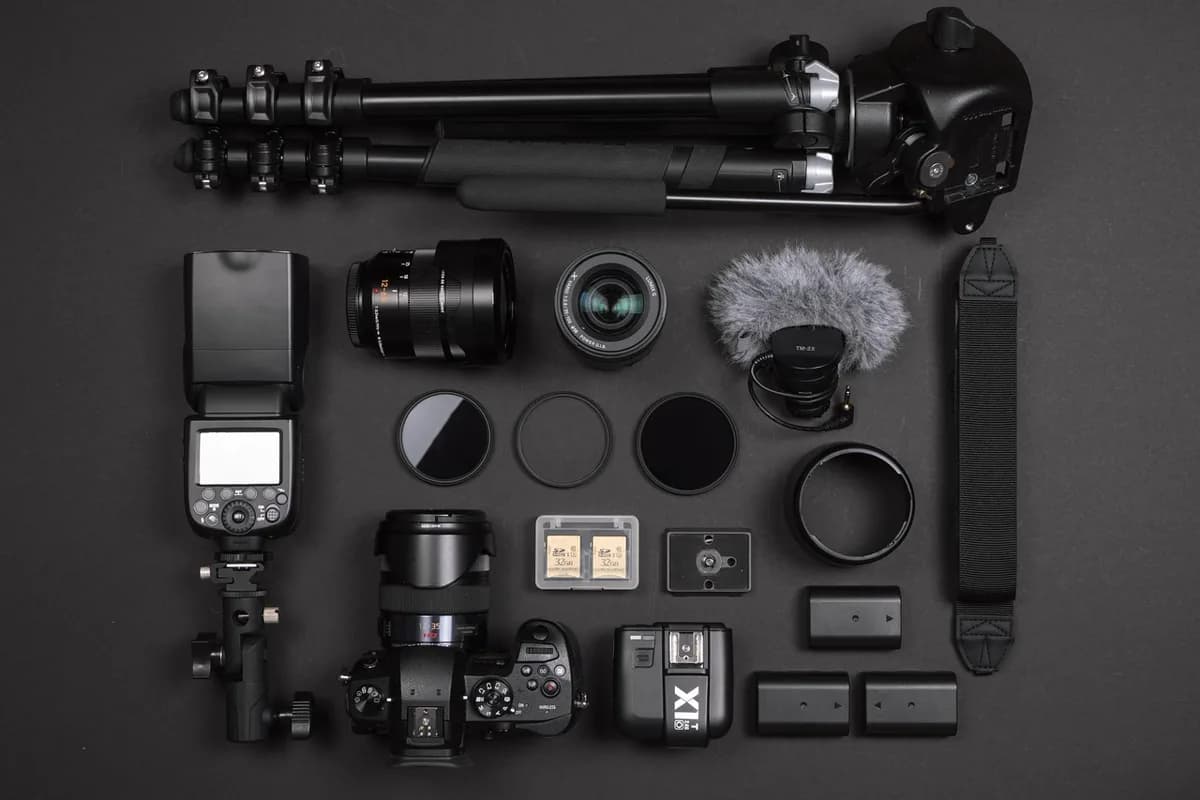
Essential Starter Equipment
Start with basics:
- Smartphone: Modern phones have excellent cameras
- External microphone: Audio quality is crucial
- Tripod or stabilizer: Keep shots steady
- Lighting: Natural light or affordable LED panels
- Editing app: Free or affordable editing software
Upgrading Your Setup
As you grow, consider:
- DSLR or mirrorless camera: Better video quality
- Professional microphone: Lavalier or shotgun mics
- Lighting kit: Professional lighting for consistent quality
- Editing software: Advanced tools for better production
- Storage solutions: Backup and organize your content
Content Planning and Consistency
Maintaining a consistent posting schedule is crucial for growth.
Content Calendar
Plan your content in advance:
- Weekly themes: Create recurring content series
- Seasonal content: Plan content around holidays or events
- Trending topics: Stay aware of current trends in your niche
- Evergreen content: Create content that remains relevant
Batch Production
Efficient content creation:
- Film multiple videos: Record several videos in one session
- Edit in batches: Process multiple videos together
- Schedule uploads: Use scheduling tools to maintain consistency
- Repurpose content: Turn one video into multiple formats
Growing Your Audience
Building a loyal following takes time and strategy.
SEO and Discoverability
Make your content easy to find:
- Keyword research: Use relevant keywords in titles and descriptions
- Thumbnail optimization: Create compelling, clickable thumbnails
- Tags and categories: Use appropriate tags for better discovery
- Cross-platform promotion: Share content across all channels
Engagement Strategies
Build relationships with your audience:
- Respond to comments: Engage with viewers regularly
- Community features: Use polls, Q&As, and community posts
- Collaborations: Partner with other creators
- Live streams: Connect with audiences in real-time
Final Thoughts: Building a Vlog That Matters
Success in vlogging isn't about chasing trends—it's about creating content that resonates with your audience. Whether you're sharing daily routines, reviewing products, or documenting adventures, consistency, quality, and authenticity will drive long-term engagement. By leveraging modern tools and focusing on your unique voice, you can turn your passion into a meaningful creative project.
The vlogging landscape in 2025 offers more opportunities than ever before. With affordable equipment, accessible platforms, and diverse monetization options, anyone can start a vlog. However, success requires dedication, strategic planning, and a genuine connection with your audience.
For businesses looking to expand their reach, platforms like dcast.tv offer flexible solutions to host live events or distribute on-demand content, helping creators and organizations connect with their audiences in new ways. Whether you're an individual creator or a business, the principles of authentic storytelling, consistent content, and audience engagement apply.
Remember that building a successful vlog is a marathon, not a sprint. Focus on creating value, building community, and staying true to your voice. With patience and persistence, your vlog can become a powerful platform for sharing your story and connecting with audiences worldwide.
Related reading
Preguntas frecuentes
How often should I post vlogs
Consistency matters more than frequency. Start with a schedule you can maintain—weekly or bi-weekly is common for beginners. As you build capacity, you can increase frequency. The key is maintaining quality while posting regularly.
What equipment do I need to start vlogging
You can start with just a smartphone and external microphone. As you grow, consider upgrading to a camera, better lighting, and professional editing software. Focus on audio quality first, as poor audio is more noticeable than lower video quality.
How do I find my niche
Identify what you're passionate about and what you can consistently create content about. Consider your expertise, interests, and what audiences are searching for. Test different topics and see what resonates with viewers.
Can I make money from vlogging
Yes, but it takes time to build an audience. Most creators start earning through ad revenue, sponsorships, and affiliate marketing once they have a substantial following. Focus on creating valuable content first, then monetize as your audience grows.
How long should my vlogs be
Length depends on your content type and platform. YouTube vlogs typically range from 10-30 minutes, while social media vlogs work best at 1-5 minutes. Focus on maintaining engagement throughout—if viewers are watching to the end, length is less important. ## Final Thoughts: Building a Vlog That Matters Success in vlogging isn't about chasing trends—it's about creating content that resonates with your audience. Whether you're sharing daily routines, reviewing products, or documenting adventures
dcast-team
Professional video streaming experts helping creators succeed.
Artículos relacionados

Comienza hoy tu negocio de video
Únete a miles de creadores que monetizan su contenido con DCAST.
Comienza gratis