Introduction to Live Streaming Infrastructure Models
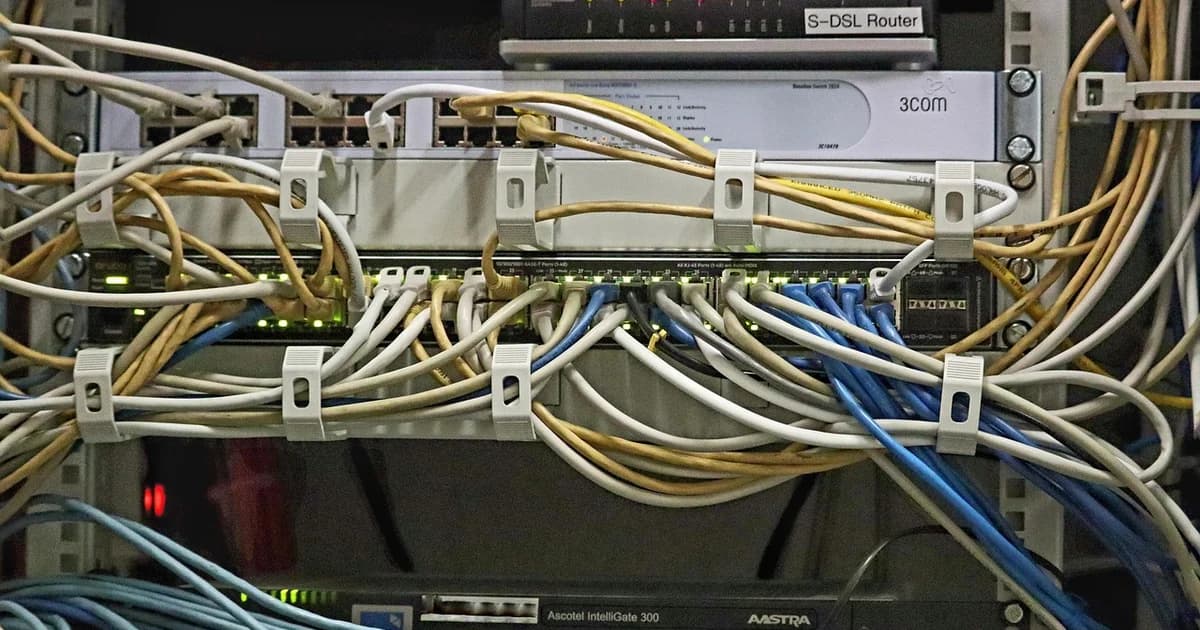
Live streaming has become an essential part of digital media, enabling real-time content distribution to global audiences. The choice of infrastructure model—cloud, on-premise, or hybrid—has a significant impact on the performance, scalability, and cost of live streaming services. This guide compares all three models across latency, scalability, cost, and operational control, so you can match the right architecture to your streaming workload and budget.
Cloud Streaming Architecture
Key Benefits
-
Scalability: Cloud streaming platforms offer elastic scalability, allowing businesses to adjust their resources based on demand. This is particularly useful during peak events when viewership can spike unexpectedly.
-
Cost-Effectiveness: Cloud services often operate on a pay-as-you-go model, reducing the need for upfront infrastructure investments. This makes cloud streaming a viable option for startups and small businesses.
-
Ease of Use: Cloud platforms provide user-friendly interfaces and APIs, simplifying the deployment and management of live streaming services. Developers can focus on content creation rather than infrastructure maintenance.
Potential Drawbacks
-
Data Security: Storing and processing data in the cloud may raise concerns about data breaches and compliance with data protection regulations. Ensuring secure data transmission and storage is critical.
-
Vendor Lock-In: Dependence on a single cloud provider can limit flexibility and increase costs over time. Migrating to a different provider can be complex and costly.
On-Premise Streaming Architecture
Key Benefits
-
Full Control: On-premise infrastructure provides complete control over the hardware and software used for live streaming. This can be advantageous for businesses with stringent security or compliance requirements.
-
Data Security: Hosting data locally reduces the risk of breaches and unauthorized access. Physical security measures can be implemented to protect infrastructure components.
Potential Drawbacks
-
High Initial Costs: Building and maintaining an on-premise infrastructure can be expensive. Initial investments in hardware, software, and maintenance staff are significant.
-
Maintenance Overhead: On-premise solutions require ongoing maintenance, including hardware upgrades, software patches, and regular backups. This can be resource-intensive for smaller organizations.
Hybrid Streaming Architecture
Key Benefits
-
Flexibility: Hybrid models combine the advantages of cloud and on-premise infrastructure. Businesses can leverage cloud services for certain tasks while maintaining control over critical data and processes locally.
-
Balanced Control and Cost: Hybrid architectures offer a balance between cost-efficiency and control, making them suitable for organizations that need both scalability and data sovereignty.
Potential Drawbacks
-
Complexity: Managing a hybrid environment can be more complex than a purely cloud or on-premise setup. Coordinating between cloud and local resources requires careful planning and management.
-
Hybrid Maintenance: Ensuring seamless integration and performance across cloud and on-premise components can be challenging. Regular monitoring and optimization are essential.
Cost Analysis
Initial Setup
- Cloud: Lower initial setup costs as no hardware investments are required. However, ongoing costs can vary based on usage.
- On-Premise: Significant upfront costs for hardware, software, and infrastructure setup.
- Hybrid: Moderate initial costs, combining the upfront investments of on-premise and the pay-as-you-go model of cloud services.
Ongoing Maintenance
- Cloud: Lower maintenance costs due to managed services and automated updates.
- On-Premise: Higher maintenance costs due to the need for dedicated staff and resources.
- Hybrid: Balanced maintenance costs, depending on the extent of on-premise and cloud components.
Scalability Costs
- Cloud: Scalability is cost-effective and straightforward, allowing businesses to scale up or down based on demand.
- On-Premise: Scaling up requires significant additional investments in hardware and infrastructure.
- Hybrid: Scalability can be more complex, but managed correctly, it can be cost-effective and efficient.
Scalability Considerations
Cloud
- Elastic Scaling: Cloud platforms automatically adjust resources based on viewer demand, ensuring smooth performance during peak times.
- Load Balancing: Cloud services often include built-in load balancing to distribute traffic evenly across servers.
On-Premise
- Manual Scaling: Scaling up requires manual intervention, including purchasing additional hardware and configuring the system.
- Custom Load Balancing: Implementing custom load balancing solutions to distribute traffic can be complex and time-consuming.
Hybrid
- Hybrid Scaling: Combines the scalability of cloud services with the control of on-premise infrastructure. Cloud components can scale dynamically, while critical services remain local.
- Complexity: Ensuring seamless scaling across cloud and on-premise components requires careful planning and management.
Control and Management
Cloud
- Limited Control: Businesses have less control over the underlying infrastructure, relying on cloud service providers for maintenance and updates.
- Automation: Cloud platforms offer extensive automation features for tasks such as scaling, backups, and security updates.
On-Premise
- Full Control: Businesses have complete control over hardware, software, and security measures.
- Manual Management: Requires dedicated staff for maintenance, updates, and monitoring.
Hybrid
- Balanced Control: Offers a balance between cloud automation and on-premise control, allowing businesses to manage critical services locally while leveraging cloud scalability.
Security Considerations
Cloud
- Data Security: Cloud providers implement robust security measures, but businesses must ensure compliance with data protection regulations.
- Compliance: Cloud services often include compliance certifications, but businesses must verify that the provider meets their specific requirements.
On-Premise
- Full Security: Businesses have full control over security measures, including physical security and access controls.
- Regulatory Compliance: Easier to ensure compliance with local regulations and standards.
Hybrid
- Hybrid Security: Combines cloud security features with on-premise controls, providing a layered approach to data protection.
- Complex Compliance: Ensuring compliance across both cloud and on-premise environments can be challenging.
Choosing the Right Model
Factors to Consider
- Budget: Consider the initial and ongoing costs associated with each model.
- Scalability Needs: Evaluate the scalability requirements and the ability to handle peak loads.
- Control Requirements: Determine the level of control needed over the infrastructure and data.
- Security and Compliance: Assess the importance of data security and compliance with regulations.
- Technical Expertise: Consider the availability of technical expertise to manage the infrastructure.
Case Studies and Practical Examples
Cloud Streaming
Example: A startup using cloud streaming due to budget constraints. By leveraging cloud services, the startup can scale its operations without significant upfront investments.
Hybrid Streaming
Example: A large enterprise using hybrid streaming for optimal control and scalability. The enterprise maintains critical services on-premise while leveraging cloud services for scalable computing and storage.
On-Premise Streaming
Example: A financial institution using on-premise streaming for highly sensitive data. The institution prioritizes full control and physical security to protect sensitive information.
SRT (Secure Reliable Transport) Protocol
SRT is a proprietary protocol developed by Haivision designed for low-latency, secure, and reliable transmission of video over the internet. It is particularly useful in scenarios where high-quality video transmission is required, such as live streaming.
Technical Details
- Handshake: SRT uses a secure handshake mechanism to establish a connection between the sender and receiver. This handshake includes authentication and encryption to ensure secure communication.
- Timestamps: SRT incorporates timestamps to synchronize the video stream, ensuring accurate playback.
- Retransmission Window: SRT includes a retransmission window that allows the receiver to request missing or corrupted packets, improving overall transmission reliability.
Practical Examples
FFmpeg Command Example:
ffmpeg -i input.mp4 -f srt srt://receiver_ip:port
OBS Settings:
- Go to Settings > Output.
- Select Stream mode.
- Choose Custom under Service.
- Set the URL to
srt://receiver_ip:port.
Comparison Table: SRT vs RTMP vs WebRTC
| Feature |
SRT |
RTMP |
WebRTC |
| Latency |
Low to Medium |
Medium to High |
Low to Medium |
| Reliability |
High (retransmission window) |
Low to Medium |
High (retransmission) |
| Security |
High (encrypted handshake) |
Low to Medium |
High (encrypted) |
| Ease of Use |
Moderate (proprietary) |
Easy (widely supported) |
Moderate (browser-based) |
| Bandwidth |
Adaptive (dynamic bitrate) |
Fixed bitrate |
Adaptive (dynamic bitrate) |
| Use Cases |
Live streaming, video conferencing |
Live streaming, video broadcasting |
Live streaming, video conferencing |
Conclusion
Choosing the right live streaming infrastructure model is crucial for the success of any streaming service. Each model—cloud, on-premise, and hybrid—has its own set of advantages and disadvantages. Businesses must carefully evaluate their needs, budget, and technical expertise to select the most appropriate solution. Whether it's the scalability and cost-effectiveness of cloud, the full control of on-premise, or the flexibility of hybrid, the right model can significantly impact the performance, security, and growth of a live streaming service.